You can Travel Solo and Be Safe
You Can Travel Solo and Be Safe
The world is bigger, more welcoming, and more navigable than fear would have you believe. Here is how to move through it with confidence.
 Solo travel is one of the most empowering things a woman can do. The world is largely made up of people who will help you find the train station.
After hosting an online gathering where women shared their thoughts on travel, one theme came up again and again: safety. It is the thing that most often keeps women from booking the trip they have been thinking about for years.
I understand that hesitation. And I want to talk about it honestly, because the conversation about women's safety in travel deserves more than a quick list of precautions. It deserves real perspective, practical tools, and the acknowledgment that caution and adventure are not opposites. You can be both smart and bold. In fact, the best travelers are exactly that.
I also want to start with something I believe deeply, drawn from years of international travel and the experiences of the women I have helped explore the world: most people, in most places, are genuinely good. They will help you when you need it. Sometimes before you even ask.
A Story That Stayed with Me
Many years ago, I traveled to Greece for the first time with my best friend. We were young and navigating a world without smartphones, Google Maps, or any of the tools we now take completely for granted. We had planned the entire trip using library guidebooks, which I say with both pride and the awareness that it makes me sound approximately one hundred years old.
We found ourselves on a bus in Athens, trying to reach a train station that would take us out of the city. As the bus moved further into more rural territory, the panic started to rise. We couldn't see the station. We weren't sure we were on the right route. We started debating in increasingly frantic whispers: Do we get off? Do we stay on? What if we end up somewhere completely wrong?
Just as the bus stopped and our debate reached a peak, a woman on the bus stood up, called something to the driver in Greek, and began gesturing at us emphatically. We must have looked confused, because she kept going until she finally took my hand and pulled me toward the exit. We followed her off the bus, exchanging nervous glances, as she walked briskly toward what appeared to be a wooded area. And then she turned a corner, pointed, and there it was: exactly the train station we had been looking for.
She had heard two foreign women panicking, understood what they needed, and simply helped. No shared language, no expectation of anything in return. She pointed us toward the station and went on her way. We called out "Efharisto," our best guess at "thank you" in Greek since there was no way to look it up, and she was gone.
I have thought about that woman many times over the years. She is one of many reminders I carry with me that the world is largely populated by people who will, when the moment calls for it, take a stranger's hand and show them the way.
"Safety isn't about being afraid. It's about being prepared enough to be bold."
The Real Picture: Fear vs. Preparedness
Solo travel has genuinely never been more accessible for women. Technology has transformed what it means to navigate an unfamiliar place. Real-time translation, offline maps, rideshare apps, instant communication with people at home, and a global community of women who travel and share their experiences openly have all changed the landscape dramatically.
That doesn't mean caution is unnecessary. It means that fear and preparation are two different things, and conflating them is what keeps women home when they should be in the world. Fear says the world is dangerous and unpredictable. Preparation says: I know what I'm doing, I have a plan, and I am ready for whatever comes. One keeps you safe. The other keeps you stationary.
The women I see who travel most confidently are not fearless. They are prepared. They have done the research, equipped themselves with the right tools, made smart decisions about accommodations and transport, and learned to trust their instincts. And they have traveled, repeatedly, and come back with stories that make everyone else want to go too.
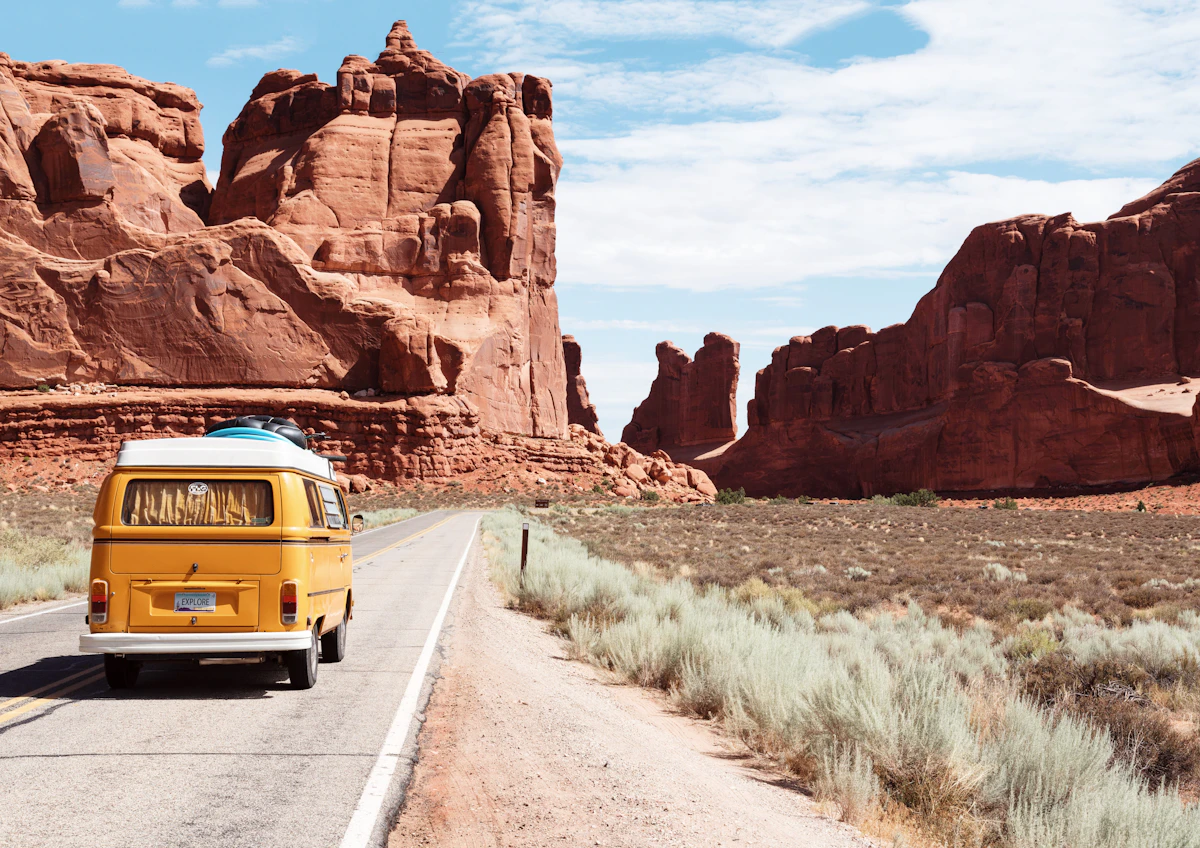 Confidence on the road comes from preparation, not from having nothing to worry about.
How to Travel Smart: Eight Foundations of Solo Safety
-
Stay Connected Before You Leave and While You're There
Share your full itinerary, including accommodations, flight details, and any planned excursions, with at least one trusted person at home. Check in regularly and consistently, not just when something goes wrong.
- Use WhatsApp for free international messaging and calls over WiFi
- Share your live location with a trusted person at home through your phone's built-in sharing feature or apps like Google Maps or Find My
- Consider an eSIM before you travel: it activates the moment your plane lands, giving you data and connectivity immediately without hunting for a local SIM card
- Save your destination's local emergency number in your phone before you arrive (112 works in most of Europe; the app TripWhistle automatically maps local emergency numbers to your GPS location)
- Download offline maps through Google Maps or Maps.me so you can navigate even without data coverage
-
Choose Accommodations Thoughtfully
Where you sleep is one of the most important safety decisions you make on any trip. Prioritize well-reviewed, centrally located properties, and read reviews specifically from women and solo travelers, who will flag anything worth knowing.
- Look for accommodations in well-lit, walkable areas with easy access to transport
- Read the most recent reviews, not just the overall rating, paying attention to comments about neighborhood safety and staff responsiveness
- When messaging hosts or hotels directly before booking, ask specifically about neighborhood safety and late-night transportation options
- Request a room that is not on the ground floor and not adjacent to stairwells or exits
- Trust your gut when you arrive: if something feels wrong about the property or its location, it is always acceptable to find somewhere else
-
Protect Your Belongings Without Advertising Them
Pickpocketing is by far the most common crime against tourists in most destinations, and it is almost entirely preventable with the right habits and gear.
- Use a crossbody bag that can swing easily to the front of your body in crowded areas, making it much harder for anyone to access without your awareness
- Consider anti-theft bags with hidden zippers and reinforced straps for high-traffic destinations
- Use a money belt or hidden pouch worn under your clothes for your passport, backup cash, and a spare credit card
- Use credit or debit cards wherever possible and carry only a small amount of cash for daily use
- Keep a digital photo of your passport stored in your email or cloud so you can access it from anywhere if the original is lost or stolen
- Never leave bags unattended, even briefly, in cafes, restaurants, or public spaces
-
Know Where You Are Going Before You Get There
Arriving in an unfamiliar city looking lost and uncertain is one of the easiest ways to become a target of opportunity. Preparation removes that vulnerability almost entirely.
- Research your destination's neighborhoods before you arrive: know which areas are recommended and which are better avoided, particularly at night
- Screenshot or download your accommodation's address and how to say it in the local language so you can show it to a taxi or rideshare driver without needing to speak
- Walk with purpose even when you are not entirely sure where you are going: if you need to check your map, step into a shop or café rather than stopping on the pavement
- Avoid wearing headphones in crowded or unfamiliar areas: staying aware of your surroundings is one of the most reliable safety tools you have
- Use official, app-based rideshare services rather than unmarked taxis, particularly at night and in unfamiliar cities
-
Respect and Research the Local Culture
Understanding where you are going, culturally and socially, is both respectful and protective. Many uncomfortable situations for travelers arise not from malice but from cultural misunderstanding, and a little research prevents most of them.
- Look up local dress codes, particularly for religious sites or more conservative regions, and pack accordingly
- Learn a handful of basic phrases in the local language: "please," "thank you," "excuse me," and "can you help me?" go a long way toward warmth and connection
- Research any cultural norms around eye contact, physical space, or interaction with strangers that might differ from what you are accustomed to at home
- Check current travel advisories from the US State Department before you finalize any itinerary
-
Manage Your Money Wisely
Financial vulnerability is one of the more stressful things that can happen while traveling. A little preparation makes it nearly impossible to be left stranded.
- Notify your bank before you travel so your cards are not frozen for unusual activity abroad
- Carry at least two different payment methods, ideally from different accounts, kept in different places
- Apps like Wise or Revolut offer low-fee currency conversion and ATM withdrawals, which can be significantly cheaper than using your home bank card abroad
- Keep a small emergency cash reserve separate from your wallet, in a money belt or hidden pocket, for situations where cards cannot be used
-
Get Travel Insurance. No Exceptions.
This is the one on this list that has no caveats. Travel insurance is not optional for international solo travel. Medical care abroad can be extraordinarily expensive, and having to manage a health emergency or a canceled trip without coverage is one of the most preventable travel disasters that exists.
- Choose a policy that includes medical coverage and emergency evacuation, not just trip cancellation
- If you plan to do anything active, from hiking to riding a scooter, check that your policy covers adventure activities
- Save your insurance provider's emergency contact number in your phone before you leave
- Keep a digital copy of your policy details accessible from your email
-
Trust Your Instincts, Every Single Time
Your instincts are one of the most reliable safety tools you carry, and they are always available. The uncomfortable truth is that most women who reflect on a difficult travel experience report that something felt off before anything actually happened. Trust that feeling.
- If a situation, a person, or a place makes you feel uncomfortable, leave. You do not owe anyone an explanation.
- It is always acceptable to say you are meeting someone, that your husband is waiting, or any other convenient fiction that gets you out of an uncomfortable interaction
- Pay attention to the behavior of local women around you: they are often the best guides to what is and is not normal in any given context
- If you feel unsafe and need help, walk into the nearest shop, hotel, or restaurant and ask for assistance. Most businesses worldwide are a reliable safe harbor.
One More Thing: Register with STEP
This takes about five minutes and is one of the most practical things you can do before any international trip. The US State Department's Smart Traveler Enrollment Program (STEP) is a free service that registers your travel plans with the nearest US embassy or consulate in your destination country.
How to Register with STEP
- Go to step.state.gov and create a free account with your US passport information.
- Enter your trip details: travel dates, destinations, and accommodation information.
- Receive real-time updates: you will get email alerts with travel advisories, security notices, and important information for your destination country.
- In an emergency, the local embassy or consulate will know you are there and can contact you, assist with evacuation if needed, or help you reach your family at home.
It costs nothing, takes almost no time, and gives both you and the people at home who love you a genuine layer of reassurance. Register before every international trip.
The Technology That Actually Helps
We are living in the best era in history to be a solo female traveler from a technology standpoint. The tools available now would have felt like science fiction to my younger self navigating Athens with a library guidebook. Here are the ones worth having on your phone before you go.
Navigation and Communication
- Google Maps or Maps.me: download your destination offline before you arrive so you can navigate without data
- Google Translate: real-time translation including camera mode, which can translate signs, menus, and written text through your phone's camera
- WhatsApp: free messaging and calls over WiFi, the most reliable way to stay in touch with people at home internationally
- eSIM (Holafly, Airalo, or similar): purchase and download before departure so your data works the moment you land
Safety and Emergency
- TripWhistle: maps every international emergency number to your GPS location, so you always know what to dial
- bSafe or Noonlight: personal safety apps that allow you to trigger an emergency alert that notifies designated contacts with your real-time location
- Smart Traveler (US State Department): the official companion app to STEP, providing up-to-date travel advisories, embassy contacts, and country-specific safety information
- Find My / Google's location sharing: share your live location continuously with a trusted person at home for the duration of your trip
Community and Connection
- Tourlina or HeyVina: apps designed to connect solo female travelers with each other, both for safety and for the simple pleasure of not always eating dinner alone
- Meetup: find local events and gatherings at your destination, a genuinely good way to meet people and get local knowledge
- Facebook groups for solo female travelers: some of the most practical, honest, and up-to-date destination advice you will find anywhere comes from women who were there recently and want to help
 Today's solo traveler carries tools that make navigation, communication, and safety more manageable than ever before.
The Part That Actually Matters Most
I want to end where I started: with the woman on the bus in Athens who stood up, took a stranger's hand, and showed her the way.
For every piece of practical advice in this post, every app, every tip about crossbody bags and offline maps and STEP registration, there is a larger truth underneath all of it. The world is full of people like that woman. People who will help when you need it. People who ask for nothing in return. People who have heard the note of genuine worry in someone else's voice and found it completely natural to respond.
That doesn't mean you travel carelessly. It means you travel prepared, which is a very different thing. You do the research. You register with STEP. You download the offline maps. You carry the right bag and you share your itinerary and you trust your instincts without apology. And then you go.
Because the world is out there, and it is waiting, and most of it wants to show you the train station.
If you have been thinking about a solo trip and letting safety concerns hold you back, I would love to talk. Small group travel is one of the most beautiful solutions to the problem of wanting to explore independently but not wanting to navigate completely alone. You get the experience of real travel, with the reassurance of a group of like-minded women around you and someone who has done this before handling the logistics.
Ready to See the World?
I help women travel confidently, whether solo, in small groups, or with family. Let's talk about what's right for you.
Begin Planning Your Trip →