Authentic Andalusia; Explore Southern Spain
Authentic Andalusia: A Week in Southern Spain
Flamenco, Moorish palaces, whitewashed villages, and some of the finest food and wine in the world. Southern Spain gets under your skin in the very best way.
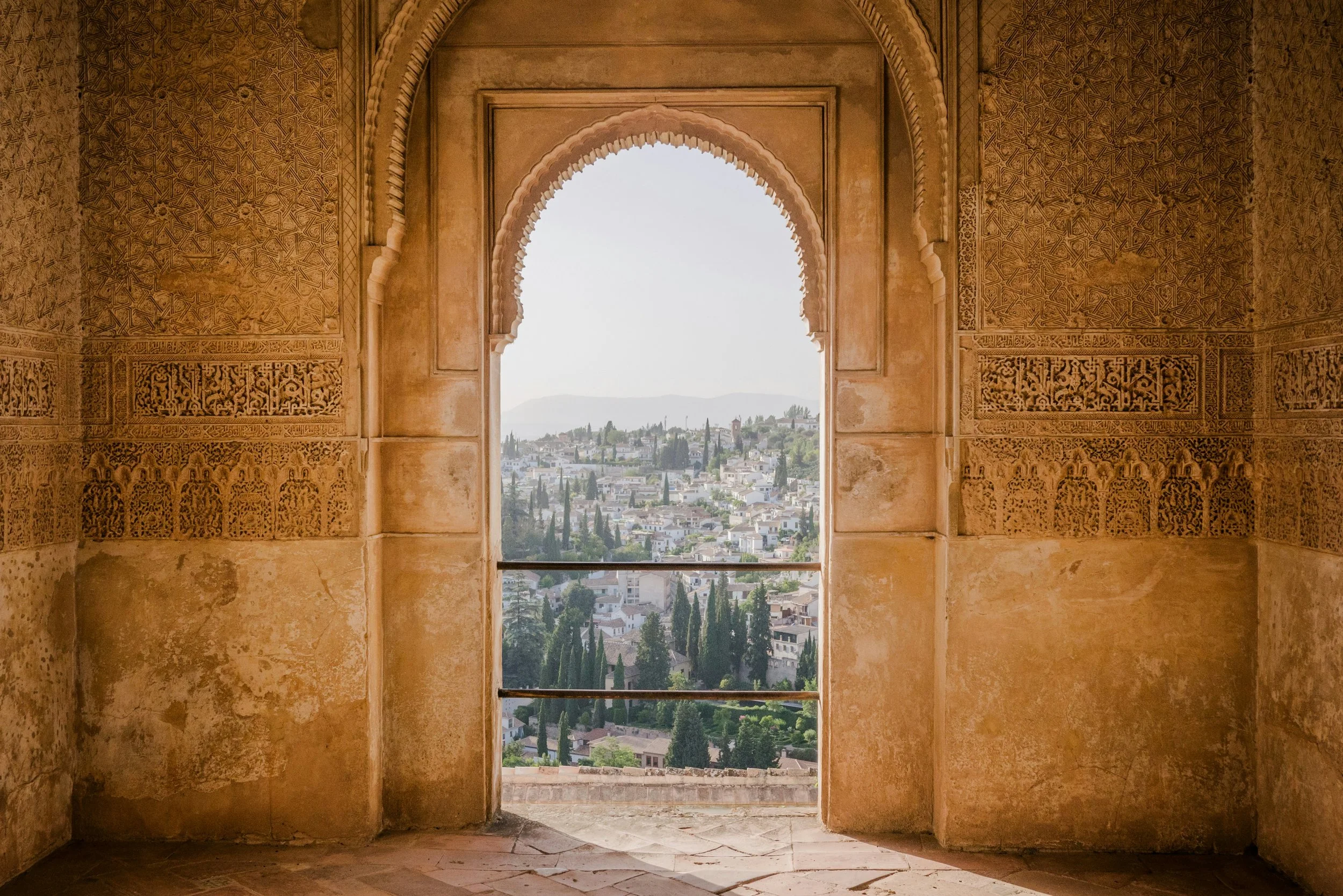 Seville at golden hour: terracotta rooftops, cathedral spires, and the kind of light that makes you want to stay forever.
Have you ever dreamed of exploring a place where every stone tells a story and every alleyway whispers something of the past? That's Andalusia. And I keep going back.
I'll be honest: I first became aware of flamenco the way many of us did, probably through a television program or an old film. But nothing prepares you for seeing it live in a small, candlelit venue in Seville, where the sound of a single guitar fills the room and a dancer communicates something wordless and overwhelming. That's the kind of experience Andalusia delivers, over and over again, across eight magnificent provinces in the south of Spain.
Andalusia is not a single city or a single mood. It's Seville's golden grandeur and the haunting beauty of Granada's Alhambra. It's the white villages stacked into hillsides, the Roman ruins, the Moorish baths, the scent of orange blossom in spring, and the remarkable food that reflects 800 years of layered history. It is, in my view, one of the most deeply rewarding regions in all of Europe.
We are headed back in March 2027 with a small group of women, and I want to give you everything you need to understand why this destination is so extraordinary and how to make the most of your time there, whether you join us or plan your own adventure.
"To wander through Andalusia is to walk in the footsteps of history, where every stone tells a story and every alleyway whispers secrets of the past." — Rick Steves
When to Go: The Best Times to Visit Andalusia
Andalusia enjoys around 3,000 hours of sunshine per year, making it one of the warmest regions in Europe. But that warmth is something to plan around rather than simply enjoy blindly. Here is an honest breakdown of what each season offers.
🌸 Spring (March to May): Best Overall
The sweet spot. Temperatures range from comfortable to warm, wildflowers blanket the countryside, and the cities are lively without being overwhelmed. Orange blossom perfumes the streets of Seville in April. This is when Andalusia looks its most beautiful and feels its most alive. Our March 2027 trip is timed here for good reason.
🍂 Autumn (September to October): Excellent
The summer crowds have thinned, the heat has softened, and the olive and grape harvests are underway. Visiting a bodega or an olive oil producer during harvest season is a cultural experience in itself. Autumn rivals spring as one of the best times to visit.
❄️ Winter (November to February): Underrated
Mild, quiet, and genuinely pleasant for sightseeing. Temperatures hover around 59°F, and the major sites have far shorter queues. Winter is ideal for travelers who prefer a slower pace, prefer not to compete for reservations, and don't mind the occasional rainy afternoon in a warm tapas bar.
☀️ Summer (June to August): Proceed with Care
Coastal areas like Málaga and Cádiz come alive, but inland cities like Seville and Córdoba can reach temperatures well above 100°F. July and August are the busiest and hottest months. If you visit in summer, the coast is your friend and early mornings are non-negotiable.
A note on March specifically: early spring in Andalusia means cooler evenings (bring a light layer), occasional rain showers, and landscapes that are still green and fresh before the summer sun bakes everything golden. It is also the season of Semana Santa (Holy Week) if Easter falls in late March or early April, one of the most extraordinary cultural events in all of Spain, with elaborate processions that wind through Seville's old city for days.
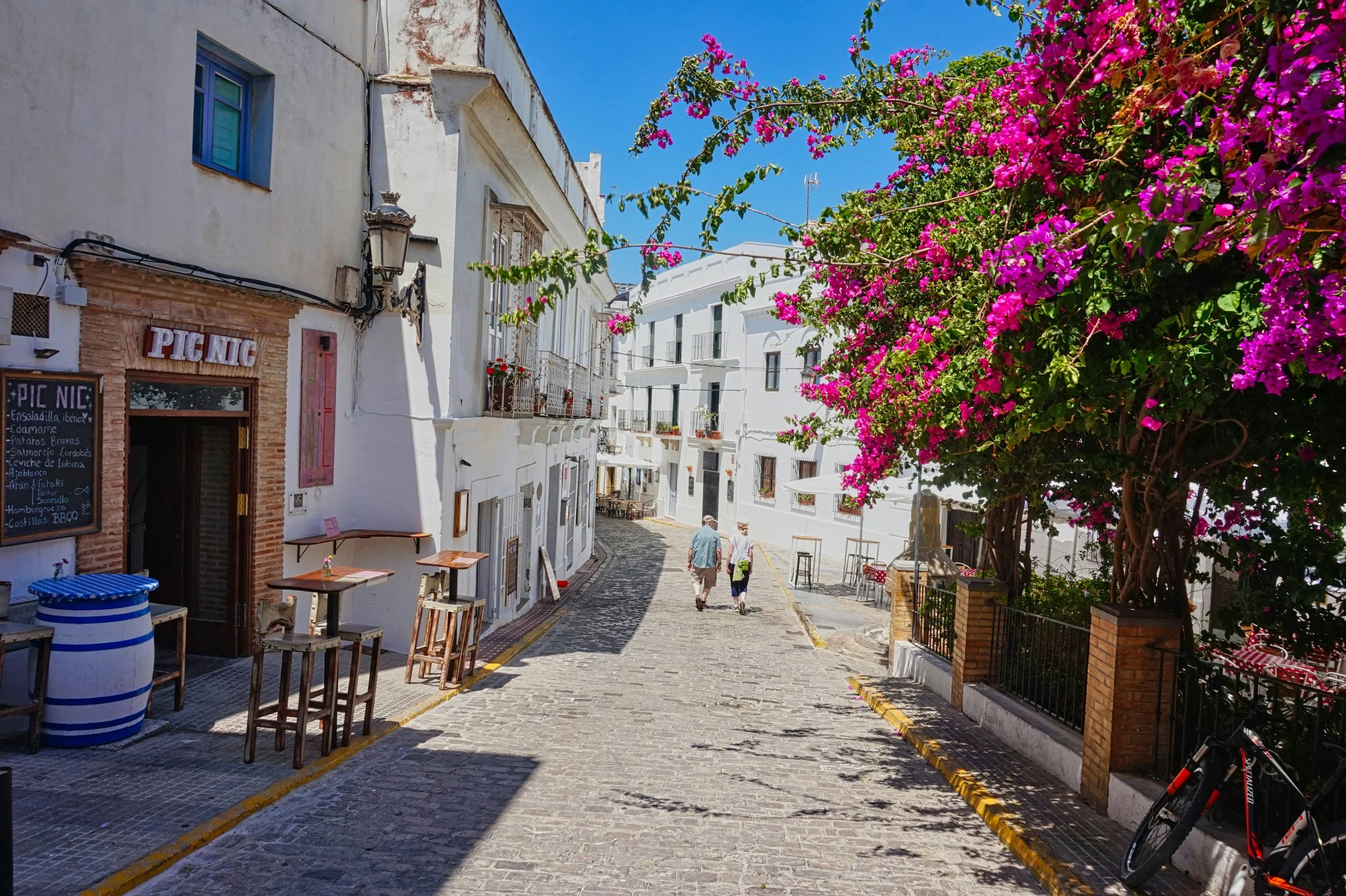 Spring in Andalusia: wildflowers, warm light, and streets that practically beg to be wandered.
Where to Go: The Essential Destinations
Andalusia is made up of eight provinces, each with its own personality. You won't see everything in one trip, and that's part of what keeps travelers coming back. Here are the destinations that reward time the most, both the iconic cities and a few that visitors often overlook.
The Crown Jewels
Seville
Andalusia's capital and its most passionate city. Seville is where flamenco was born, where the Royal Alcázar stuns even the most well-traveled visitors, and where the cathedral (the world's fourth largest) contains the tomb of Christopher Columbus. The Triana district across the Guadalquivir River is the historic birthplace of many of flamenco's greatest artists, and still the best place to find an intimate live performance. Look for small venues like Pura Esencia in Triana for something genuinely moving rather than theatrical. The Santa Cruz neighborhood's flower-draped courtyards and narrow lanes deserve an entire afternoon with no agenda.
Granada
Home to the Alhambra, one of the most breathtaking examples of Moorish architecture anywhere in the world. Book your Alhambra tickets well in advance as they sell out weeks or months ahead. Beyond the palace complex, the Albaicín neighborhood offers steep cobblestone streets and the famous Mirador de San Nicolás viewpoint, best visited at sunset when the Alhambra glows against the Sierra Nevada. Granada is also famous among locals for something delightful: in many of the city's traditional bars, a free tapa comes with every drink ordered.
Córdoba
The Mezquita-Catedral is worth a journey from anywhere. This extraordinary building began as a Roman temple, became a mosque during the Moorish period, and later had a cathedral built directly inside it, a layering of civilizations that is simultaneously strange and magnificent. Córdoba's Jewish quarter, La Judería, is a maze of whitewashed lanes where courtyards burst with flowers, especially striking during the annual Patio Festival in May. Don't miss the Palacio de Viana, a 14-courtyard private palace that feels like a secret even though it isn't.
Málaga
Too often used only as a gateway airport and not nearly appreciated enough as a destination in its own right. Málaga blends a 2,500-year history with a genuinely vibrant modern culture. The Alcazaba fortress has sweeping views over the Mediterranean, built directly above a 1st-century Roman theater whose ruins weren't even discovered until 1951. Málaga is also Pablo Picasso's birthplace, and the Picasso Museum here houses an excellent permanent collection. The city's food scene is outstanding, the beaches are lovely, and the pace is more relaxed than Seville or Granada.
 The Alhambra in Granada: book your tickets early. This is one experience that lives up to every expectation.
Beyond the Big Cities: Villages and Hidden Gems
Some of the most memorable moments in Andalusia happen in the places between the famous cities. The Pueblos Blancos, the whitewashed villages of the interior, are among the most visually striking landscapes in all of Spain and far quieter than the major destinations.
Ronda
Perched dramatically above a 300-foot gorge, Ronda is one of Andalusia's most photographed towns for good reason. The Puente Nuevo bridge offers views that stop you mid-step. Beyond the gorge, Ronda has one of Spain's oldest bullrings, the fascinating Arab Baths dating from the 13th and 14th centuries (among the best preserved in the country), and a charming old town that rewards slow exploration. It works well as a day trip from Seville or Málaga, or as an overnight stay for those who want the town to themselves in the evening after the day visitors have gone.
Setenil de las Bodegas
One of the most unusual villages in Spain: a town where homes, bars, and restaurants are built directly into the overhanging rock face, with entire streets sheltered under a continuous stone ceiling. It sounds strange until you see it, and then it is simply extraordinary. The local olive oil is excellent, and the tapas bars wedged into the rock walls make for one of the more surreal dining experiences in Andalusia.
Grazalema
A postcard-perfect mountain village in the Sierra de Grazalema Natural Park, one of Andalusia's hidden gems for walkers and nature lovers. The surrounding park bursts with wildflowers in spring and offers some excellent trails, including El Pinsapar through a rare pinsapo forest. The village itself is tiny, beautiful, and genuinely peaceful.
Jerez de la Frontera
The spiritual home of sherry wine and an often-overlooked gem. Jerez has its own beautiful cathedral, a fascinating Moorish Alcázar, and the famous Royal Andalusian School of Equestrian Art, where Andalusian horses perform in a show that is genuinely breathtaking. But the main draw for many visitors is the sherry bodegas: touring a historic cellar and tasting your way through fino, amontillado, and oloroso with a knowledgeable guide is one of the great sensory experiences of southern Spain.
Cádiz
One of the oldest continuously inhabited cities in Western Europe, Cádiz sits on a narrow peninsula jutting into the Atlantic and has a character unlike anywhere else in Andalusia. Its seafood is extraordinary, its beaches are some of the finest on the Spanish coast, and its old city is a layered, atmospheric maze of baroque churches, sea-bleached plazas, and narrow lanes that open suddenly onto ocean views. Cádiz is where tortillitas de camarones, those irresistible crispy shrimp fritters, were born, and the local markets are outstanding. The city also sits at one point of the Sherry Triangle, making it a natural companion to a visit to Jerez. Come for the coast, stay for the food, and leave wondering why it took you so long to get here.
Toledo
Just outside Andalusia proper and close to Madrid, Toledo is well worth including in any extended Spanish itinerary. Known as the "City of Three Cultures," Toledo's medieval streets tell the story of centuries of Christian, Jewish, and Muslim coexistence through its synagogues, mosques, and churches. The entire historic quarter is a UNESCO World Heritage Site, and its original medieval layout remains largely intact. For those flying in or out of Madrid, Toledo makes a beautiful addition to either end of an Andalusian trip.


The Food and Drink: A Region That Takes Both Very Seriously
Here is a fact that surprises people: Andalusia produces approximately 80% of Spain's olive oil. The province of Jaén alone produces more olive oil than the entire country of Greece. This is a region where the quality of ingredients is not incidental to the culture but absolutely central to it, and the food reflects that at every level.
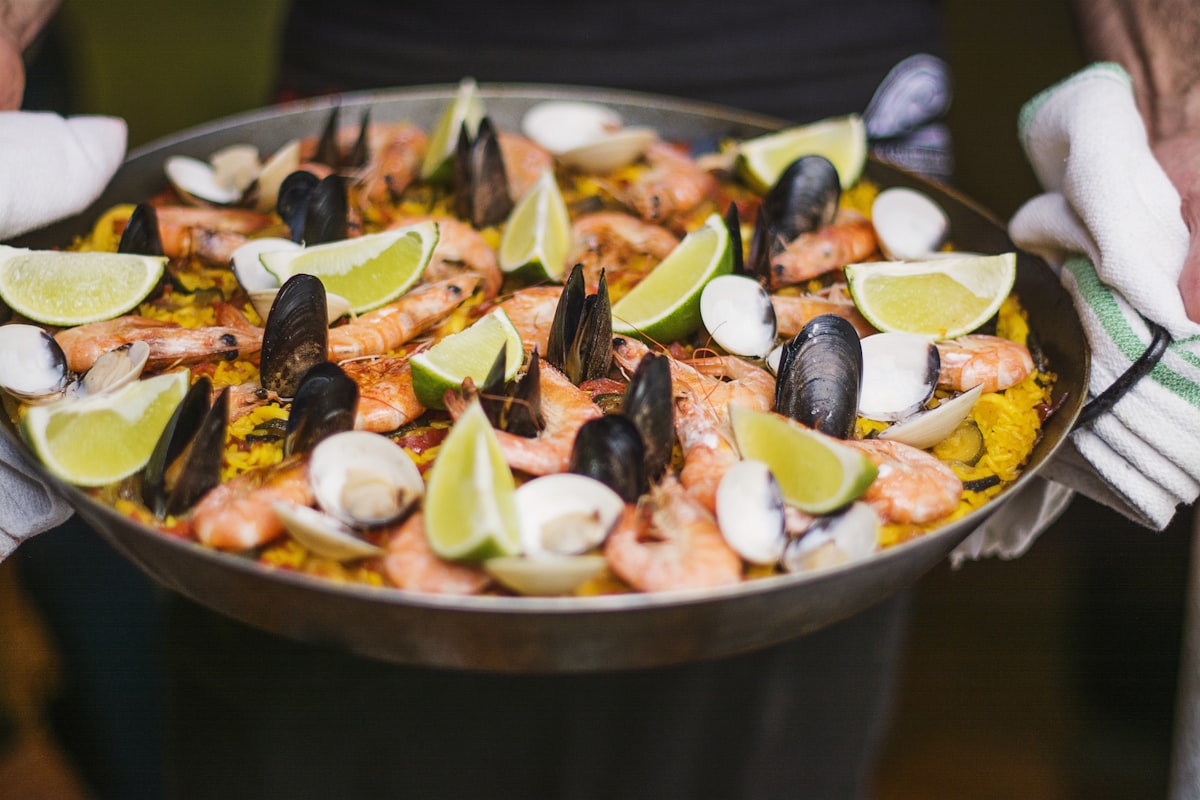 The tapas culture of Andalusia is less a dining format and more a philosophy: keep ordering, keep sharing, keep the evening going.
What to Eat in Andalusia: The Essentials
- Salmorejo: Córdoba's rich, thick cousin of gazpacho, made with tomatoes, bread, olive oil, and garlic, finished with a drizzle of oil and shavings of jamón. One of the most satisfying cold soups you will ever taste.
- Gazpacho: The original, served properly chilled in a glass or bowl, a world apart from anything sold in a carton at home.
- Pescaíto frito: Andalusia's beloved fried fish, served in paper cones at the coast and in tapas bars everywhere. Light, perfectly crisp, and best eaten immediately.
- Jamón Ibérico: The cured ham from acorn-fed free-range pigs is an art form in Spain. Served in wafer-thin slices as a tapa, ideally alongside a glass of dry fino sherry.
- Rabo de toro: Slow-braised oxtail stew, a Córdoba specialty with deep Moorish roots. Rich, aromatic, and deeply satisfying on a cool evening.
- Berenjenas con miel: Lightly battered fried aubergine drizzled with local honey and cane molasses, a dish that perfectly captures Andalusia's sweet-and-savory Moorish heritage.
- Tortillitas de camarones: Crispy shrimp fritters from Cádiz, best enjoyed with a cold glass of manzanilla at a beach bar.
On the Subject of Sherry
Sherry is produced exclusively in a small triangle of land between Jerez de la Frontera, Sanlúcar de Barrameda, and El Puerto de Santa María, making it one of the most geographically specific wines in the world. It is also dramatically more varied than its reputation in other countries suggests.
Pale, bone-dry fino and manzanilla are served cold, much like a crisp white wine, and are outstanding with seafood, olives, and jamón. Amontillado is nuttier and more complex, perfect alongside grilled fish or roasted meats. Oloroso is richer and more robust, a match for hearty stews. And Pedro Ximénez, thick and sweet as liquid raisins, is one of Spain's most extraordinary dessert wines, extraordinary poured over vanilla ice cream.
A useful rule of thumb for matching sherry to your meal: fino and manzanilla if it swims, amontillado if it flies, and oloroso if it runs. Visiting a bodega in Jerez for a proper guided tasting is one of the most rewarding cultural experiences Andalusia offers.
Beyond sherry, Andalusia has its own wine culture worth exploring. The region produces excellent whites that pair beautifully with its coastal cuisine, and a local drink called tinto de verano (red wine with lemon-lime soda) is the refreshing house drink of summer tapas bars everywhere. Málaga also produces a distinctive vino de naranja (orange wine made with orange peel) that is both unusual and delicious.
How to Travel Andalusia: Practical Tips
-
Plan for at Least Seven to Ten Days
To do Andalusia justice, covering the major cities alongside a few villages and coastal stops, a week is the minimum. Ten days allows you to breathe and actually absorb what you're seeing rather than rushing between landmarks.
-
Book the Alhambra Well in Advance
This is the single most important practical note for any Andalusia trip. Alhambra tickets frequently sell out weeks or months ahead, particularly in spring and autumn. Book before you finalize anything else.
-
Consider a Base-and-Excursion Strategy
Rather than moving hotels every two nights, many travelers find it more relaxing to base themselves in one or two cities (Seville and Málaga work beautifully together) and take day trips from there. The white villages, Córdoba, Granada, and Ronda are all accessible as day excursions from either base.
-
Pack for the Range
In spring, Andalusia can be gloriously warm by day and cool enough for a jacket by evening. In summer, lightweight fabrics and a hat are essential for the inland cities. The coast is consistently more temperate than the interior year-round.
-
Adjust to Spanish Meal Times
Lunch is the main meal of the day in Spain, typically served from 2 to 4 pm. Dinner rarely begins before 9 pm, and in summer, restaurants fill up closer to 10. Leaning into this rhythm rather than fighting it is one of the best things you can do for your overall experience.
-
Hire Local Guides for the Big Sites
The Alhambra, the Mezquita, and the Royal Alcázar reward context enormously. A knowledgeable local guide transforms a walk through beautiful architecture into a genuine understanding of the civilizations that created it. It is consistently worth the cost.
-
Leave Room in Your Bag
Andalusia produces some of the finest ceramics, leather goods, and textiles in Spain. Seville's Triana district is famous for its handpainted tiles and ceramics. Córdoba is known for its intricate embossed leather. You will want to bring things home.
Travel Andalusia with Me
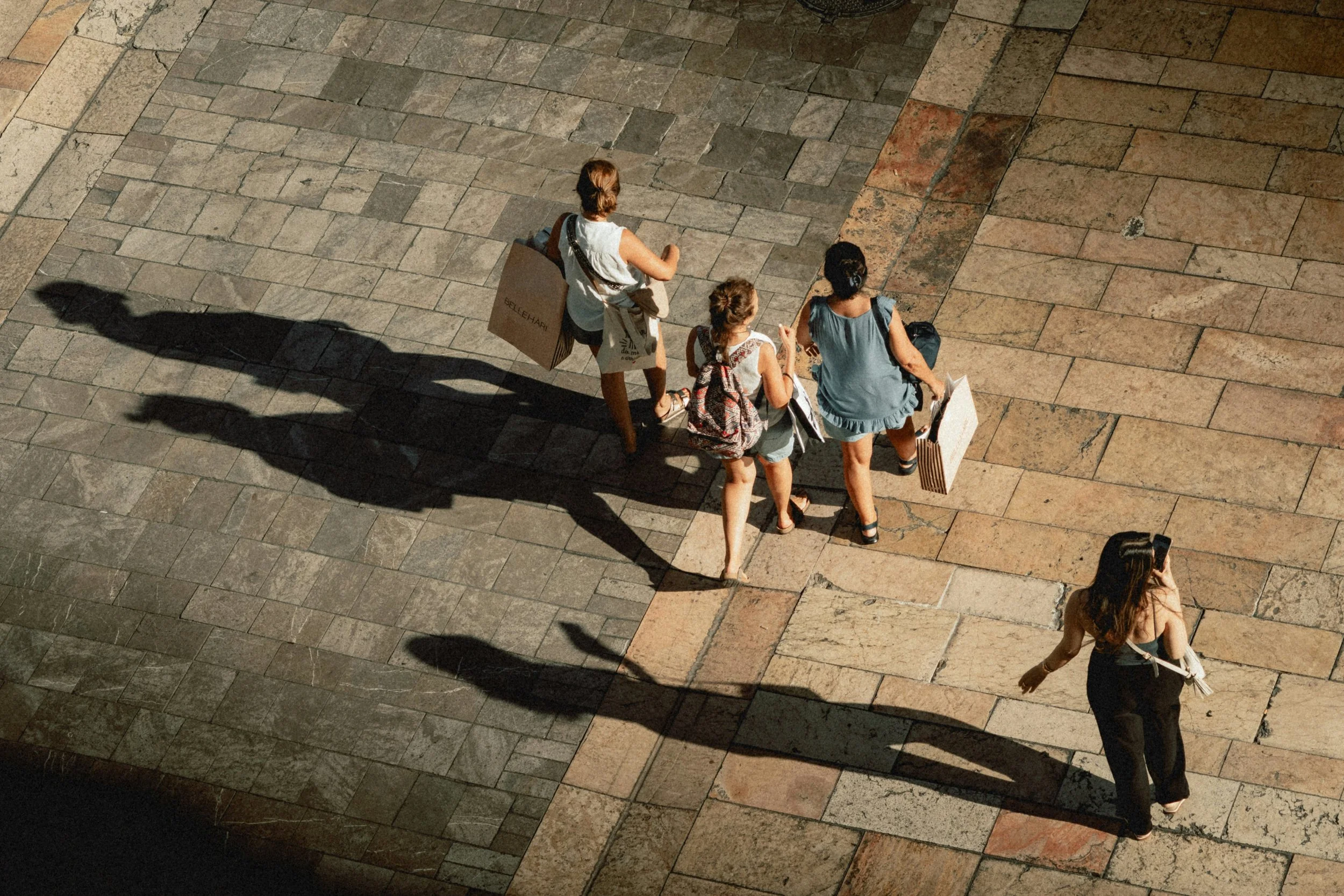 Small group travel in Andalusia means lingering where it's worth it, with people who are just as curious as you are.
Everything described in this post is the foundation of a small group women's trip I lead to Andalusia. We call it Authentic Andalusia: A Week in Southern Spain, and it is designed to move through this region the way it deserves to be experienced: with time, with intention, and with a local expert by our side at every meaningful stop.
The week moves between Seville and Málaga, with private guided tours of the cities' most iconic sites, a day through the Pueblos Blancos and Ronda, a carefully chosen flamenco evening, and a full-day excursion to the Alhambra in Granada. Each day has structure but genuine breathing room, and each evening ends over a group dinner at a place I have personally chosen. The logistics are handled, the knowledge is built in, and the only thing left for you to do is show up and let southern Spain do what it always does: get completely under your skin.
If Andalusia has been calling to you, I'd love to tell you more. Reach out and I'll send you the full details.
Ready to Experience Andalusia?
I lead small group women's trips to southern Spain and would love to help you plan your own Andalusian adventure. Reach out for details on upcoming departures or custom itineraries.
Send Me the Details →